this is blog hq for nourishing obscurity and unherdable cats
Monday [4]
(0954)(1007)
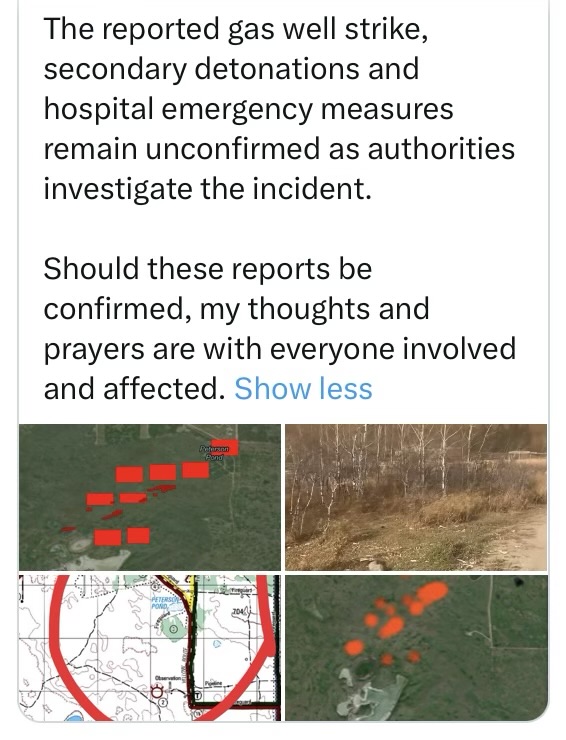
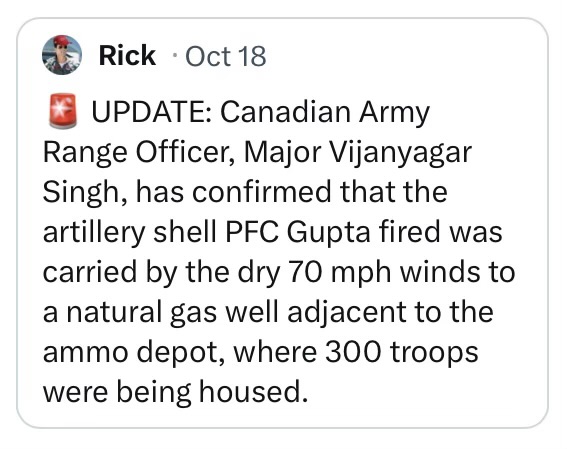
The CFB Wainwright training area, Alberta
One reply
The CFB Wainwright training area, Alberta
The first night we were at CFB Wainwright the unit I was attached to (8 Commando Battery RA) had a ‘battery smoker’ (barbeque) beside one of the lakes. A lot of beer was drunk that night. That day we’d flown into Edmonton International from RAF Brize Norton and as soon as we got off the RAF Lockheed TriStar, still in British Airways livery, the mossies were on us. All that lovely northern European blood to suck – I soon became acquainted with a product called ‘Off!’, a most effective mosquito repellent.
What followed was weeks of training in everything from small arms to abseiling from helicopters, and in my case an entire week at AFB Edmonton, where I gained my second set of parachute wings with the Canadian Airborne Regiment (disbanded in disgrace 1995). One lad with us from 3 Para dropped onto a combine harvester and broke his ankle. I really enjoyed the small arms phase and the instructor from 22 SAS was superb. First time I’d fired an AK-47 so I got to know why the lads in ‘The Regiment’ call it the ‘chopper’.
The work-up to the live firing exercise lasted about 10 days and the newly introduced laser binoculars were used for the first time – so “fire mission battery polar” was the opening shout to the guns from the OP (Observation Post). Won’t go into it too much but results were varied due to reflection off of vegetation. On one occasion the battery opened fire on the OP instead of the target. The only thing that saved us was a 4ft concrete pipe covered in earth that we dived into. They called it a ‘technical firing’ day but the shrapnel doesn’t know that 🙂
On to the live fire phase, which lasted 24 hours and included combined arms advance to contact. The infantry component was ‘A’ Company Duke of Edinburgh’s Royal Regiment (disbanded 1994) and a Ghurkha mortar troop, plus the aforesaid battery from 29 Commando Regiment RA. Firing artillery and mortars at night is inherently dangerous, especially with infantry, who are also moving with sustained fire from GPMG’s thrown into the mix. The red tracer rounds look impressive but if the timing is out you can walk right into it, and we did.
I heard the order ‘check firing’ through my headphones several times that night so Range Safety was on it, and unlike real combat we paused, only to resume when the manoeuvring force was back behind the fall of shot. The exercise was a single company attack on a static enemy, at night, with indirect and direct fire support from artillery and mortars, machine guns and Milan anti-tank missiles (bunker busting) at the end. Training like this is essential and soldiers do lose their lives sometimes. I knew two during my time in H.M. Forces. RIP lads.
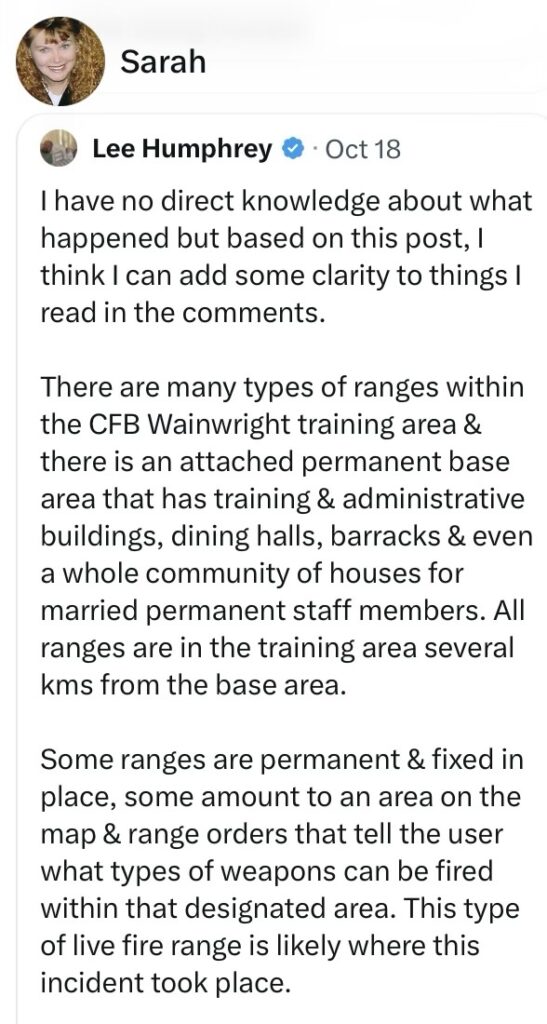
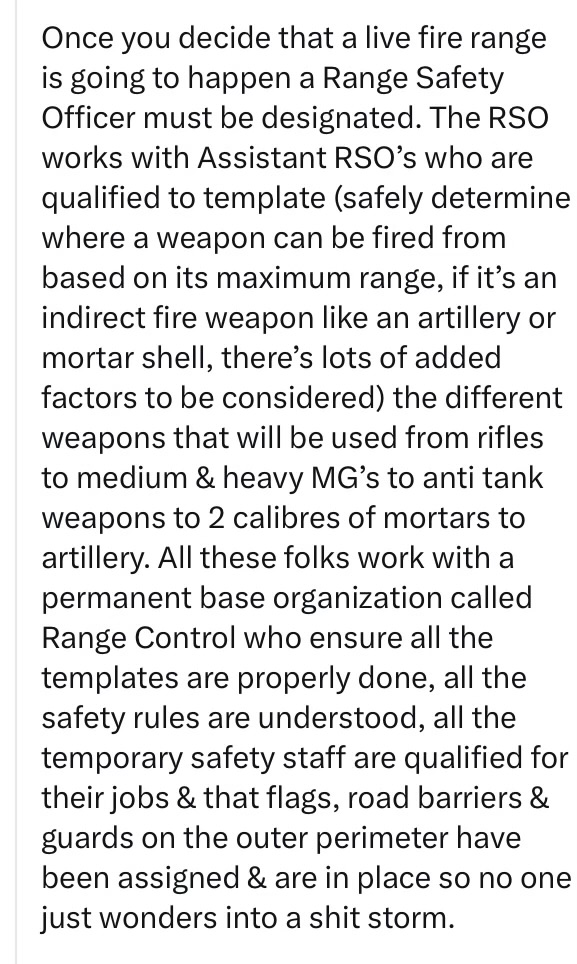
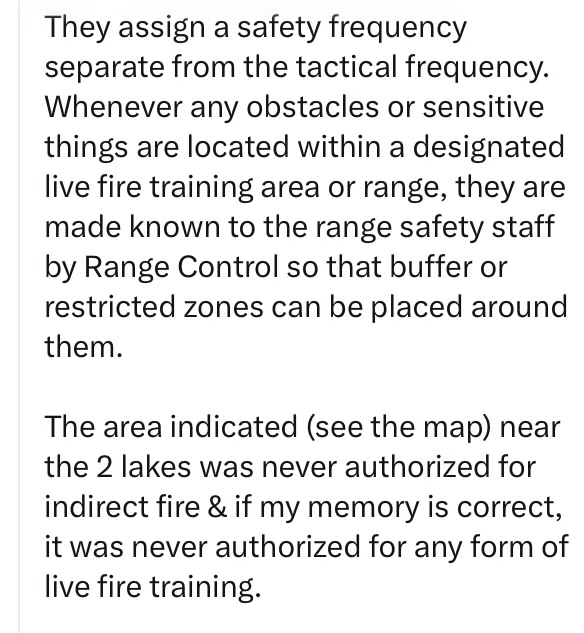
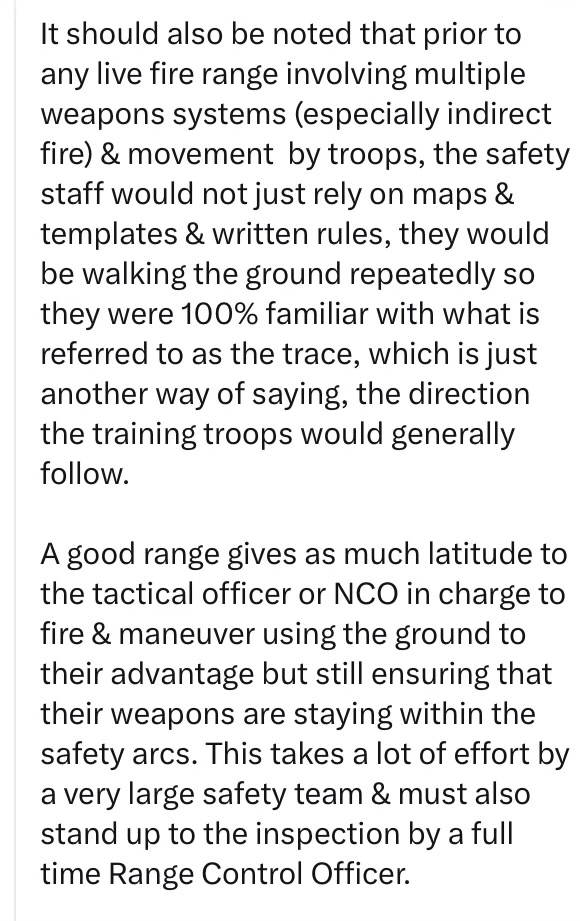
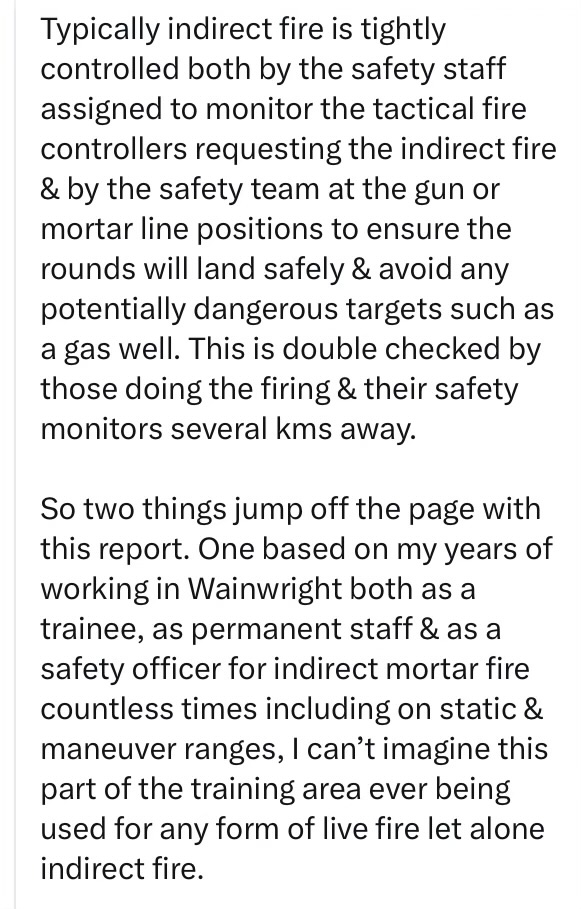
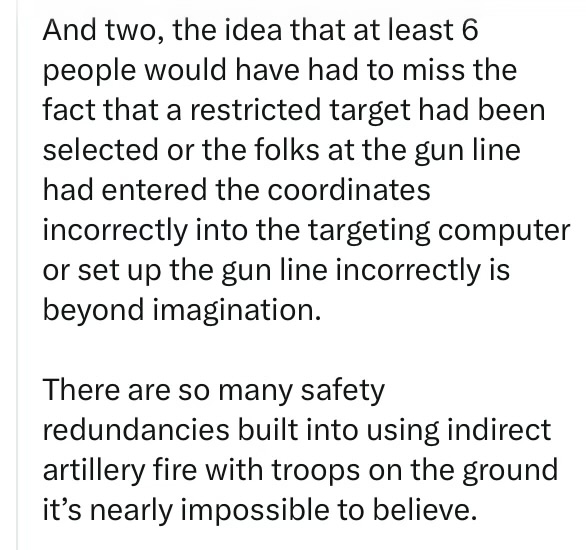
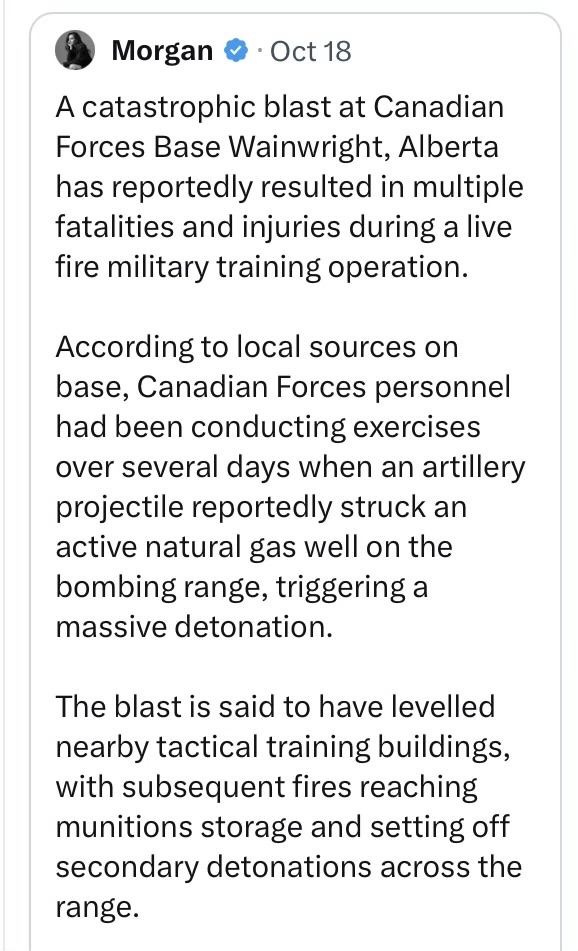
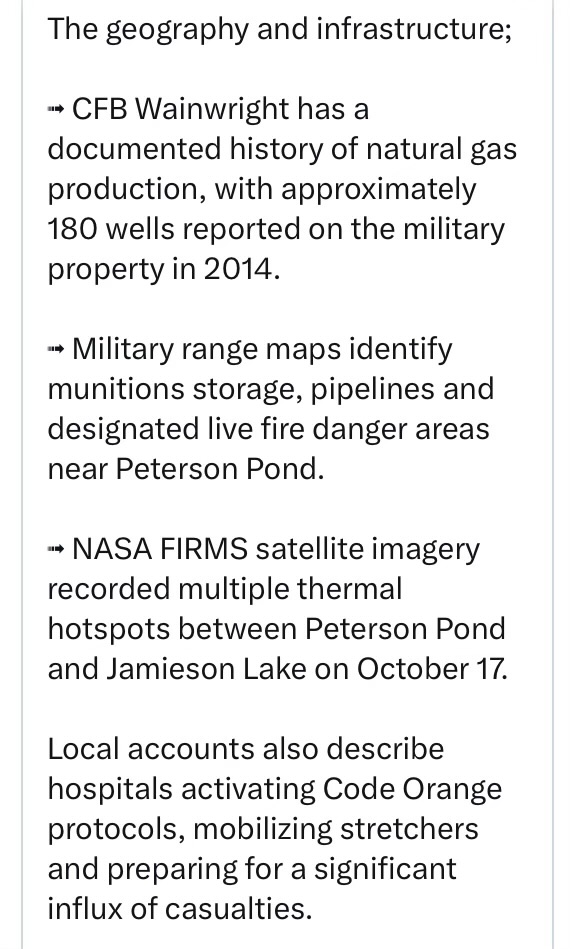
The CFB Wainwright training area, Alberta
The first night we were at CFB Wainwright the unit I was attached to (8 Commando Battery RA) had a ‘battery smoker’ (barbeque) beside one of the lakes. A lot of beer was drunk that night. That day we’d flown into Edmonton International from RAF Brize Norton and as soon as we got off the RAF Lockheed TriStar, still in British Airways livery, the mossies were on us. All that lovely northern European blood to suck – I soon became acquainted with a product called ‘Off!’, a most effective mosquito repellent.
What followed was weeks of training in everything from small arms to abseiling from helicopters, and in my case an entire week at AFB Edmonton, where I gained my second set of parachute wings with the Canadian Airborne Regiment (disbanded in disgrace 1995). One lad with us from 3 Para dropped onto a combine harvester and broke his ankle. I really enjoyed the small arms phase and the instructor from 22 SAS was superb. First time I’d fired an AK-47 so I got to know why the lads in ‘The Regiment’ call it the ‘chopper’.
The work-up to the live firing exercise lasted about 10 days and the newly introduced laser binoculars were used for the first time – so “fire mission battery polar” was the opening shout to the guns from the OP (Observation Post). Won’t go into it too much but results were varied due to reflection off of vegetation. On one occasion the battery opened fire on the OP instead of the target. The only thing that saved us was a 4ft concrete pipe covered in earth that we dived into. They called it a ‘technical firing’ day but the shrapnel doesn’t know that 🙂
On to the live fire phase, which lasted 24 hours and included combined arms advance to contact. The infantry component was ‘A’ Company Duke of Edinburgh’s Royal Regiment (disbanded 1994) and a Ghurkha mortar troop, plus the aforesaid battery from 29 Commando Regiment RA. Firing artillery and mortars at night is inherently dangerous, especially with infantry, who are also moving with sustained fire from GPMG’s thrown into the mix. The red tracer rounds look impressive but if the timing is out you can walk right into it, and we did.
I heard the order ‘check firing’ through my headphones several times that night so Range Safety was on it, and unlike real combat we paused, only to resume when the manoeuvring force was back behind the fall of shot. The exercise was a single company attack on a static enemy, at night, with indirect and direct fire support from artillery and mortars, machine guns and Milan anti-tank missiles (bunker busting) at the end. Training like this is essential and soldiers do lose their lives sometimes. I knew two during my time in H.M. Forces. RIP lads.