(1526) Not all that far from evening here. (2046) Er … um … fell asleep earlier, dinn I? (2048)
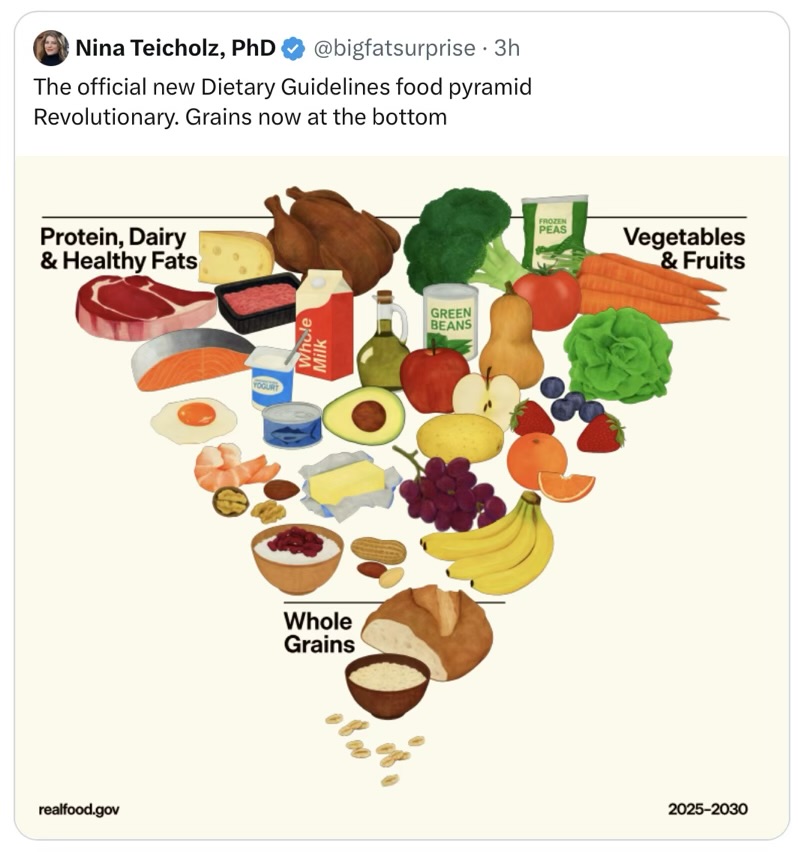
26. Fairly much my food programme right now
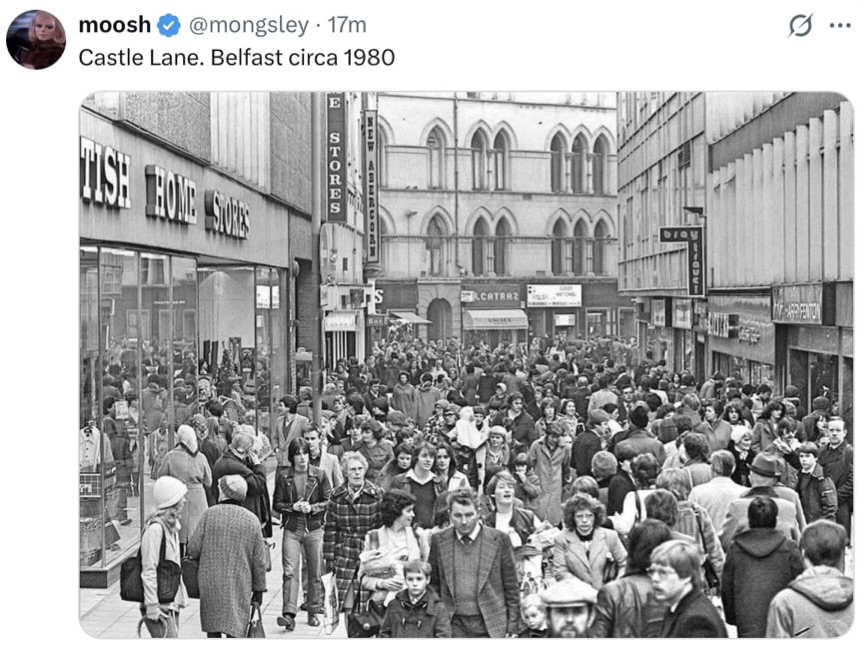
25. Moosh corner
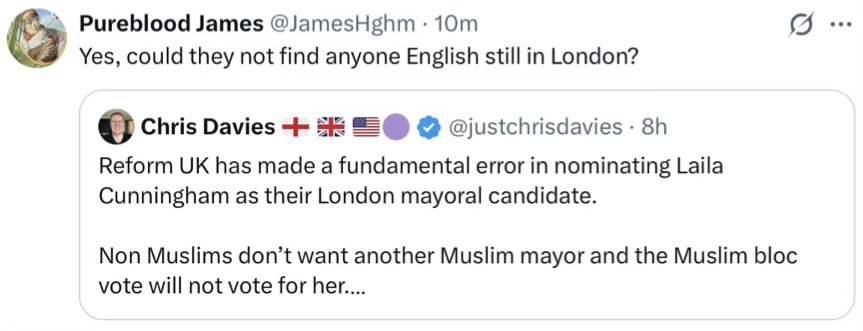
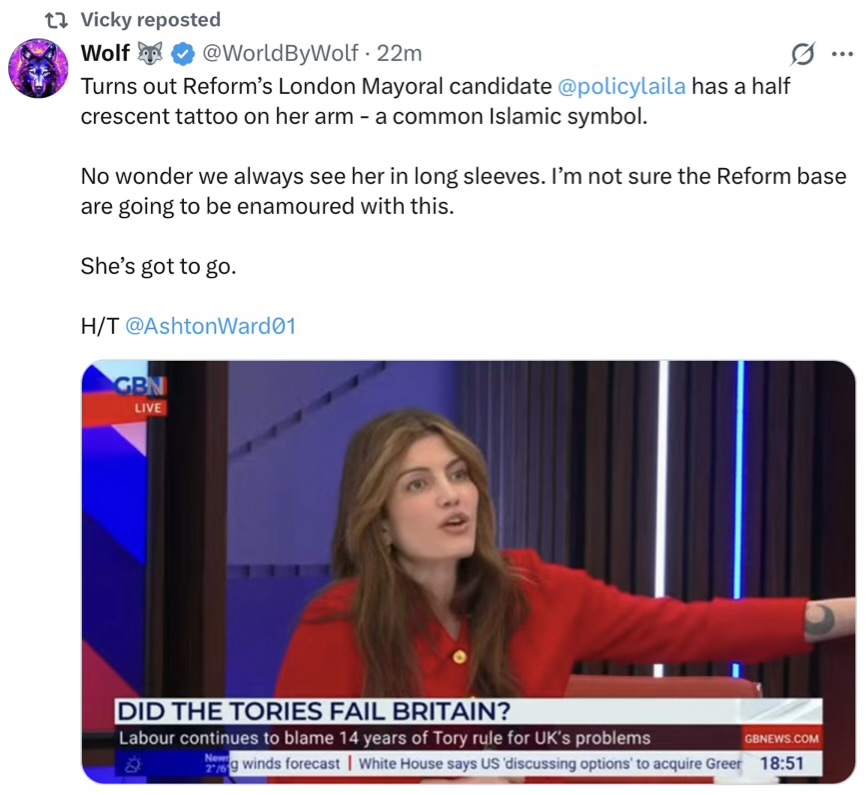
24. What a dead giveaway
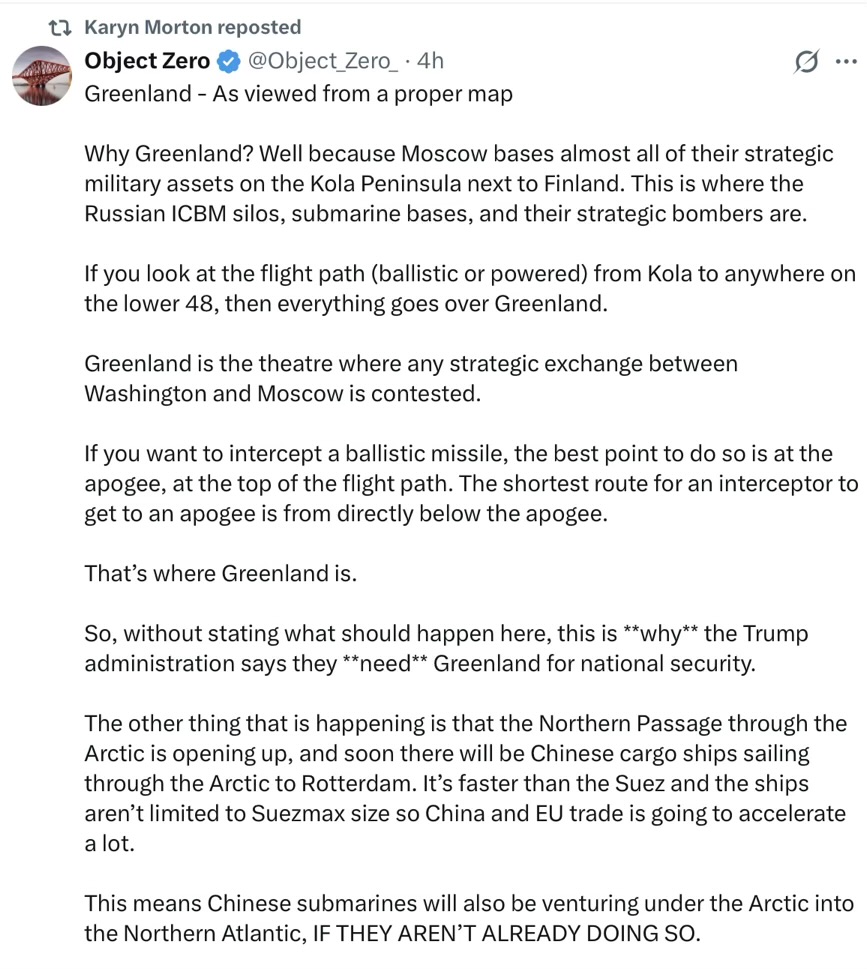
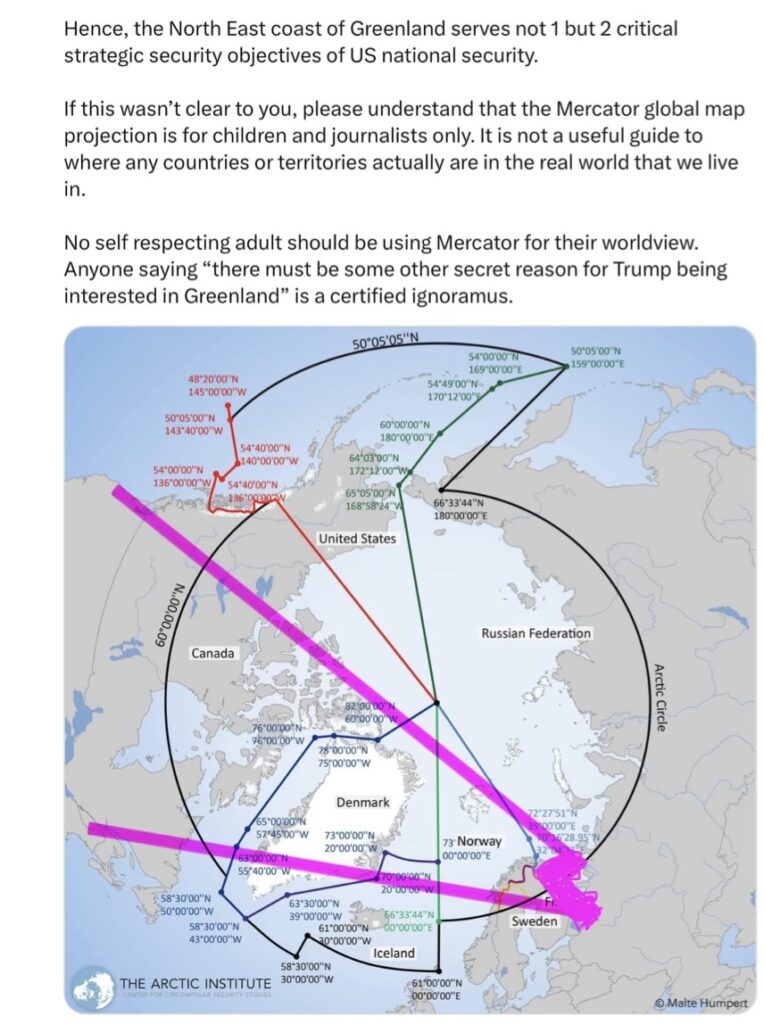
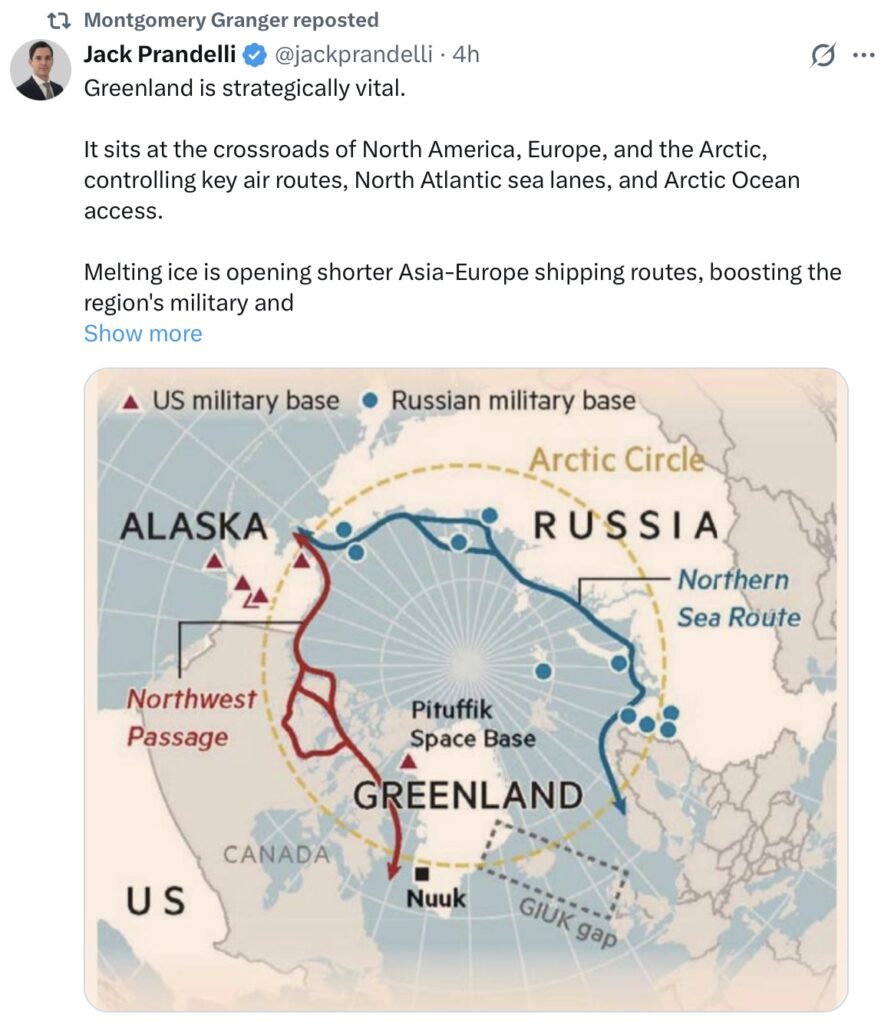
23. Another vital map showing the situation
… we really must stop using Mercator for Greenland and surrounds.
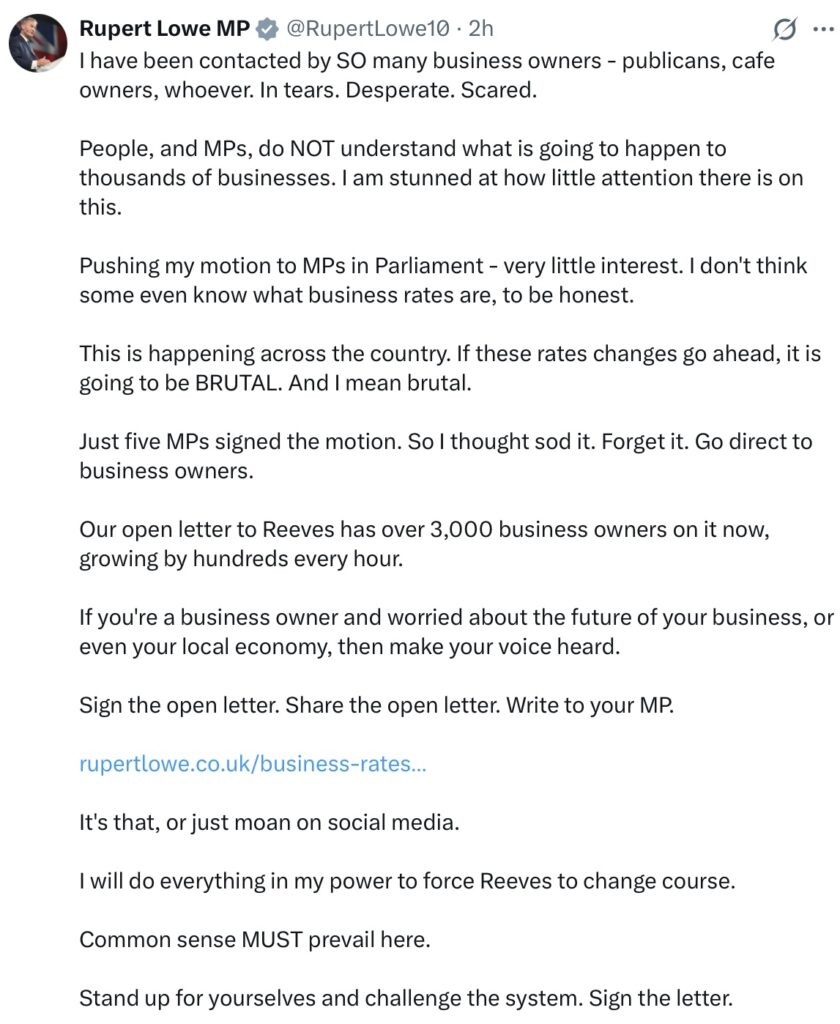
22. Rupert corner

21. Steve with whatever he comes up with
This comes from Steve’s first link, which was mainly scenes in Iran we have seen. Tucked away though was this gem by facts about @destinationXIX:
“The Iranian uprising is real – but regime collapse is not automatic. History is clear: pressure alone does not bring a dictatorship down.
Three conditions must converge – sustained mass unrest that breaks fear in the streets, a fracture or paralysis of the security forces, and a psychological collapse at the top. Without all three, even a deeply weakened system can survive.
Yet even if the Islamic Republic falls, a hard truth remains largely unspoken: there is no unifying alternative waiting in the wings. Reza Pahlavi lacks both the charisma and the broad legitimacy needed to lead a post-revolutionary Iran, particularly among non-Persian populations such as Kurds, Azeris, Arabs, and Baluchis.
The idea of a clean transition to a liberal, centralized state is comforting – but unrealistic. The more plausible outcome, should the IRGC collapse, is fragmentation along ethnic lines. The regime suppressed these identities brutally, but it also froze them into place. Remove that coercive lid, and Iran is more likely to splinter than to democratize overnight.
This leads to an uncomfortable strategic paradox. The IRGC is an evil Shiite jihadist force that spent decades destabilizing the Middle East through terror proxies, subversion, and the systematic weakening of sovereign states. Yet it also served as a counterweight to Sunni radical Islam and the Muslim Brotherhood network.
If that pillar collapses, the critical test will be whether Sunni Islamist movements – bankrolled and promoted by Turkey, Qatar, and now Syria – are allowed to fill the vacuum. If they do, the region will not become freer; it will simply exchange one form of Islamist imperialism for another.
Throughout this unfolding crisis, the role of much of the mainstream media has been deeply troubling. By minimizing the uprising, soft-pedaling the nature of the regime, and consistently offering one-sided sympathy to Islamist movements while ignoring their victims, large parts of the media have functioned less as watchdogs and more as enablers, complicit with the Islamists’ agenda.
Still, this moment matters. For the first time in decades, millions of Iranians are openly imagining a future without clerical rule. That alone is historic. Whatever form the post–Islamic Republic landscape ultimately takes, the moral right to decide Iran’s future belongs to Iranians – not to mullahs, not to terror commanders, and not to foreign patrons.
This is the moment for Iranians to take their country back: to reclaim their history, identities, and sovereignty from an ideology that held them hostage for 46 years.
And it is also a moment of responsibility for the West – not to impose solutions, but to stop enabling radical Islam, to cut funding, legitimacy, and media cover for jihadist movements, and to finally draw a firm line between genuine reform and ideological extremism.
A freer Middle East will not be built by appeasing radicals. It will be built by standing with those who are trying – often at immense personal risk – to break free from them.